
15
VIEWS
·
4
COPIES
·
0
LIKES
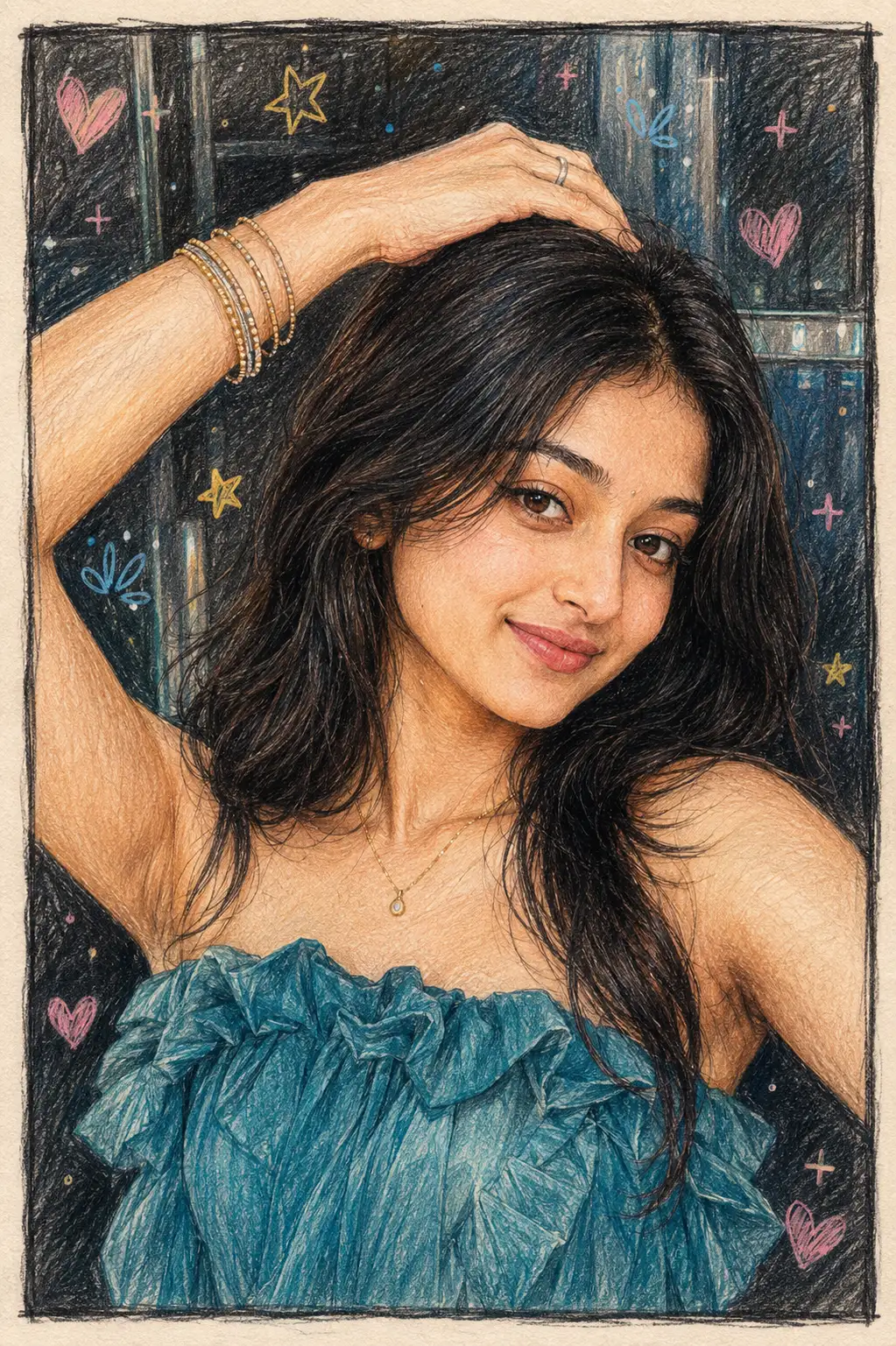
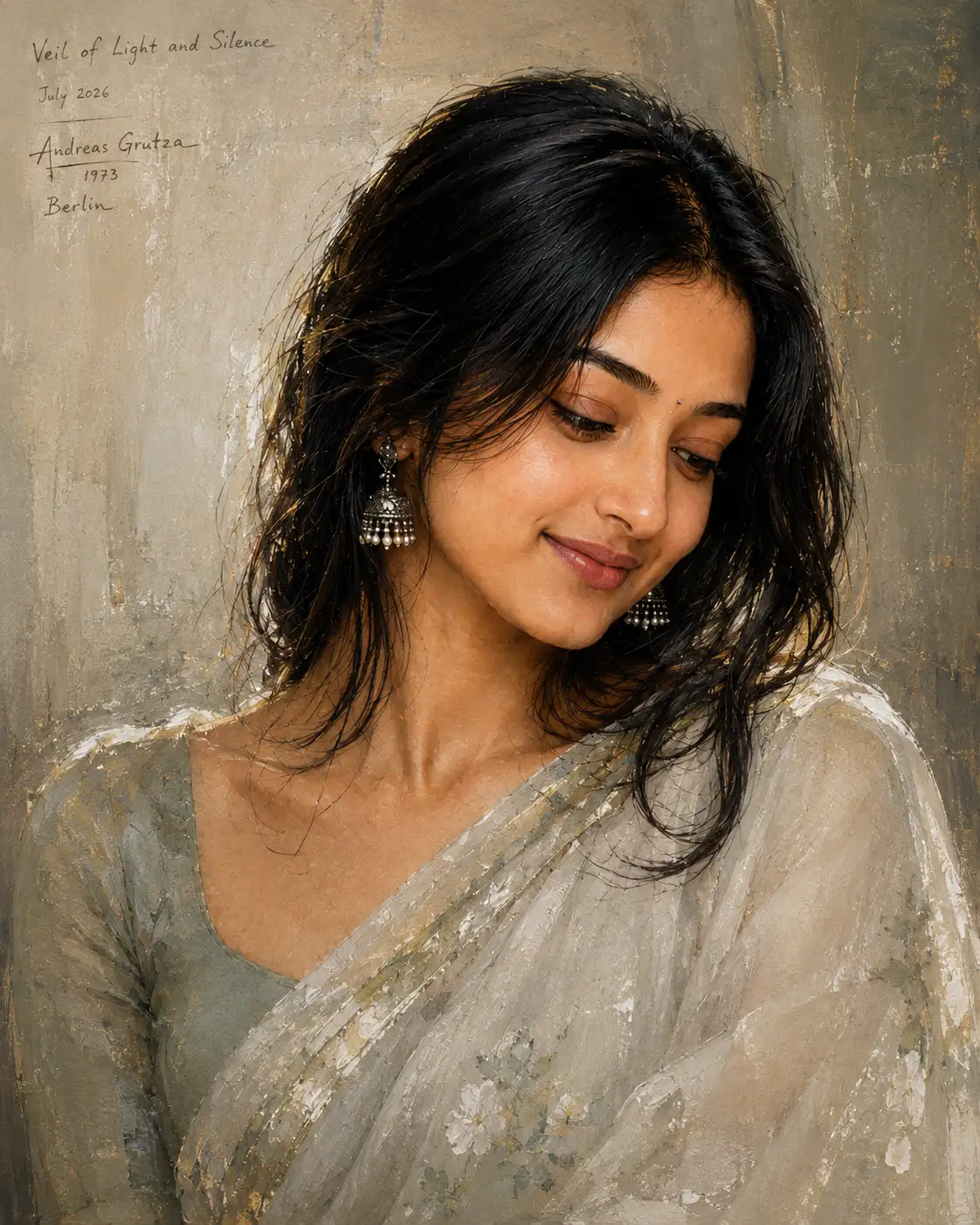
a Dreamy Colored-Pencil Portrait
Create a highly detailed hand-drawn colored-pencil portrait using the uploaded image ONLY as the facial identity reference.The uploaded person must remain unmistakably the same person. Preserve their recognizable facial identity with maximum fidelity: exact face shape, facial proportions, forehead, cheekbones, jawline, chin, nose structure, eye shape, eye spacing, eyelids, eyebrows, mouth shape, lip proportions, ears, skin tone, hairline, and all distinctive facial characteristics. Do not replace the person's face with a generic face or alter their identity. The person should look naturally recognizable as the individual in the uploaded photo.IMPORTANT: The uploaded image is being used ONLY to determine the person's identity and facial characteristics. Do not copy the uploaded photo's background, clothing, pose, lighting, photographic style, camera composition, or environment.Create the person as a beautiful traditional colored-pencil fashion illustration on textured off-white paper, matching the following visual specification:COMPOSITION:
Vertical portrait illustration with a slightly imperfect rectangular hand-drawn dark border and a narrow warm off-white paper margin. The subject fills most of the frame and is shown from approximately the upper chest/shoulders upward. The head is positioned near the upper center-right. One arm is raised above the head, with the hand resting naturally on top of the hair. The shoulders extend toward the lower corners. The composition feels like a carefully drawn fashion portrait.POSE:
The subject has a relaxed, confident, slightly sensual but natural pose. Head tilted/turned subtly toward the viewer. One arm rises diagonally toward the upper-left portion of the composition, with the hand touching the top of the head. Fingers should be anatomically correct and naturally positioned. The other shoulder and upper arm remain visible toward the lower-right area.FACE:
Use the uploaded person's exact identity while giving them a soft, relaxed expression. Natural almond-shaped eyes, delicately defined upper eyelashes and eyeliner, naturally shaped eyebrows, subtle blush, softly shaded nose, and naturally defined lips. Keep the person's actual facial proportions rather than imposing generic beauty-model proportions.HAIR:
Dark brown/black, shoulder-length straight hair with dense fine strands and soft layered texture. Wispy bangs/fringe fall naturally across the forehead and around the eyes. Hair should contain hundreds of fine colored-pencil strokes, layered dark tones, subtle warm highlights, individual loose strands, and realistic hand-drawn texture.CLOTHING:
A strapless dark teal/turquoise fashion top with a large gathered and ruffled neckline. The fabric should have abundant fine pencil texture, visible folds, overlapping ruffles, dark shadows between folds, and lighter turquoise highlights along raised fabric.JEWELRY:
A delicate thin gold necklace around the neck with a tiny gold pendant/charm. Several thin metallic gold/silver bracelets stacked around the raised wrist and a delicate ring on one finger. Jewelry should have subtle pencil-rendered metallic highlights rather than looking digitally glossy.BACKGROUND:
A dark atmospheric interior/background consisting of charcoal black, muted blue-gray, dusty teal, and soft gray areas. Include loosely sketched reflective surfaces and indistinct background shapes, but keep them secondary to the portrait. The background should have the appearance of an artist suggesting forms with pencil rather than creating sharply defined objects.DECORATIONS:
Scatter small whimsical hand-drawn doodles around the subject: pastel pink hearts, yellow five-point stars, tiny pink sparkles, small blue decorative symbols, pale pink/white plus signs, and tiny colored marks. They should appear naturally distributed throughout the background and around the subject, creating a playful illustrated aesthetic. Keep the decorations delicate and relatively small.ART MEDIUM:
Traditional colored-pencil and wax-pencil drawing on slightly rough textured paper. Fine graphite/ink contour lines underneath the colored pencil. Clearly visible pencil strokes. Layered pigment. Subtle cross-hatching. Fine facial shading. Soft blending created through overlapping pencil strokes rather than digital airbrushing. Slightly imperfect edges and tiny variations in pressure should make it feel genuinely hand-drawn.SKIN RENDERING:
Warm natural skin tones rendered with peach, cream, pink, light brown, and subtle orange colored-pencil layers. Visible but delicate pencil grain. Soft blush around cheeks and nose. Natural shadows beneath the chin, around the nose, eyes, neck, and collarbone. Do not make the skin look like smooth digital airbrushing.EYES AND FACIAL DETAILS:
Extremely precise fine pencil work around the eyes, eyelashes, eyebrows, lips, nose, and facial contours. Preserve the person's actual identity while rendering the face in the illustrated medium.COLOR PALETTE:
Muted warm skin tones, deep brown-black hair, dark charcoal background, dusty blue-gray, teal and turquoise clothing, pastel pink hearts, warm yellow stars, small blue accents, metallic gold jewelry, and warm ivory/off-white paper. Rich but slightly muted colors. No neon colors.LIGHTING:
Soft warm illumination across the face and upper body, with gentle highlights on the forehead, cheeks, nose, lips, shoulders, jewelry, and hair. Stronger dark pencil shading in the background and beneath the hair creates depth while keeping the face visually prominent.FINISH:
The final result must look like a real physical colored-pencil illustration drawn by a highly skilled fashion illustrator on textured paper, photographed/scanned afterward. Preserve subtle handmade imperfections, visible pencil grain, fine sketch lines, layered pigment, and organic edges.Do not make it look like a photograph. Do not make it look like digital art. It should unmistakably look hand-drawn.Most important: The uploaded photo controls WHO the person is. The written description controls the entire artwork, pose, styling, clothing, environment, composition, colors, and artistic medium. Do not copy the uploaded photo's pose or background. Transform the person into the described illustration while preserving their facial identity.Negative prompt
different person, changed identity, generic face, face replacement, altered facial structure, different eyes, different nose, different lips, different jawline, different facial proportions, excessive beautification, plastic skin, artificial face, photographic face, photorealism, 3D, CGI, anime, manga, cartoon, vector art, digital painting, airbrushed skin, smooth gradients, glossy skin, neon colors, modern digital illustration, incorrect anatomy, malformed hands, extra fingers, missing fingers, extra limbs, distorted arms, distorted face, asymmetrical eyes, blurry facial details, low detail, flat colors, plain background, plain clothing, missing jewelry, missing doodles, excessive doodles, text, watermark, logo, signature
Open with:
Share this prompt
15
VIEWS
·
4
COPIES
·
0
LIKES

Log in to leave a comment.
More Like This
See all →
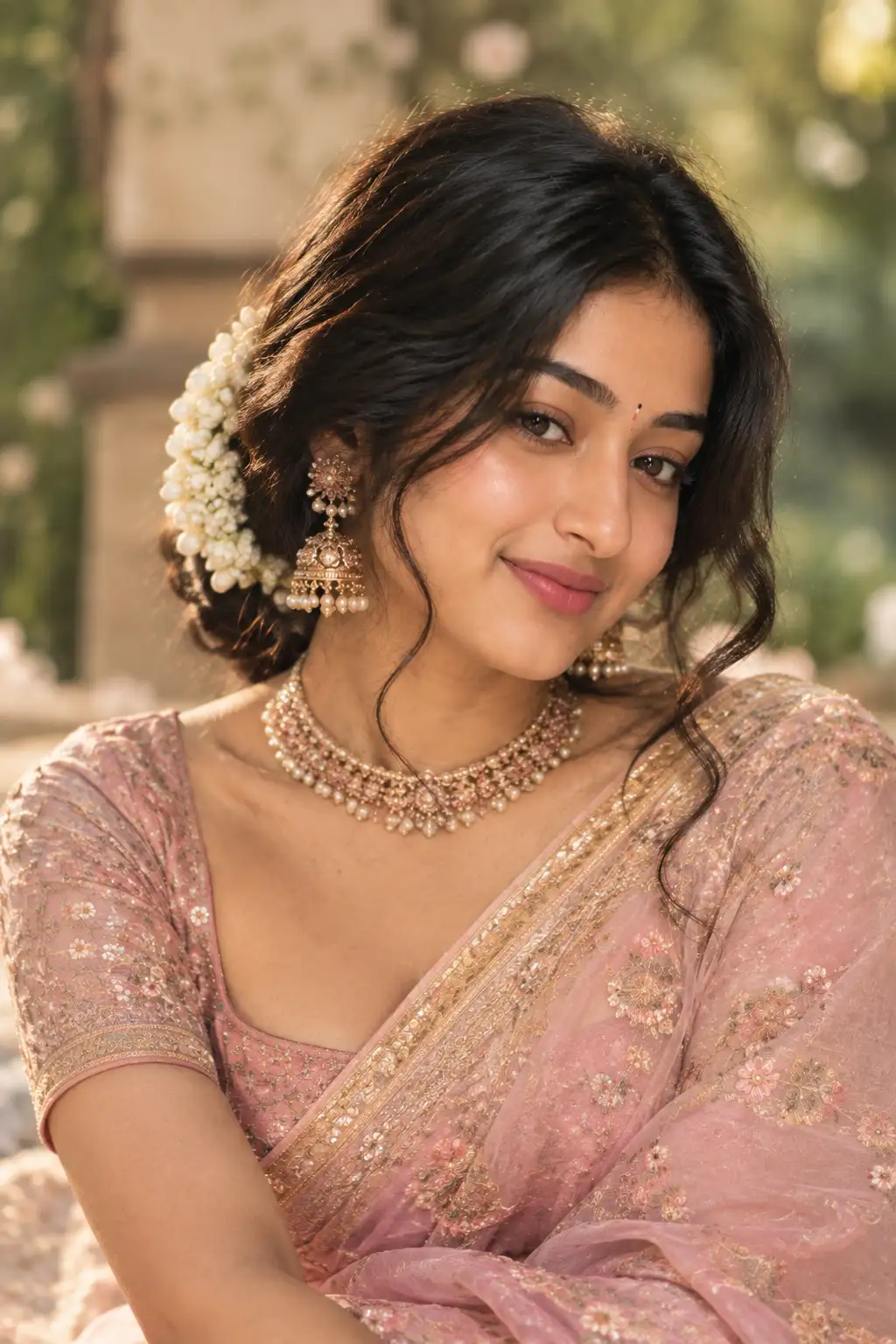
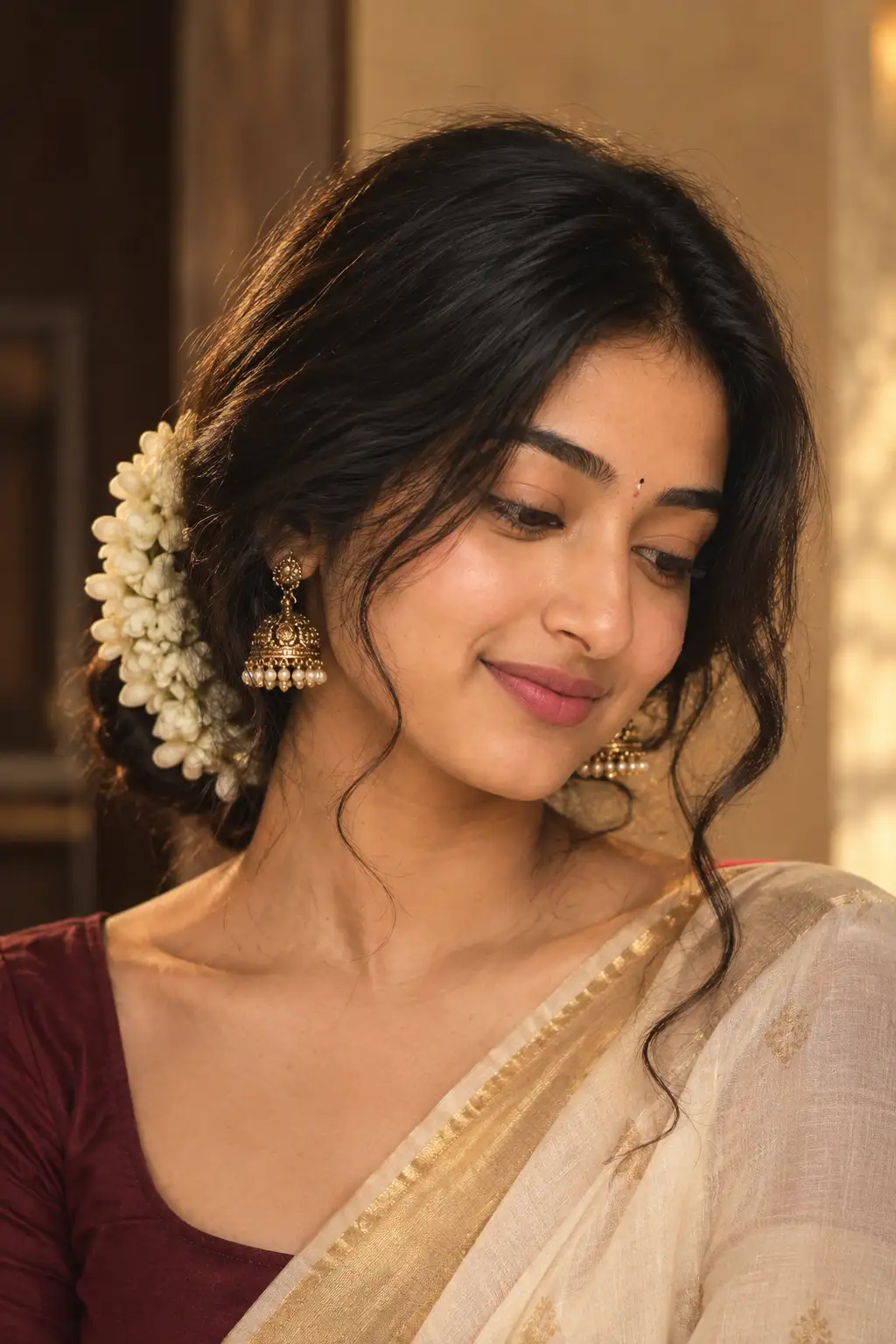
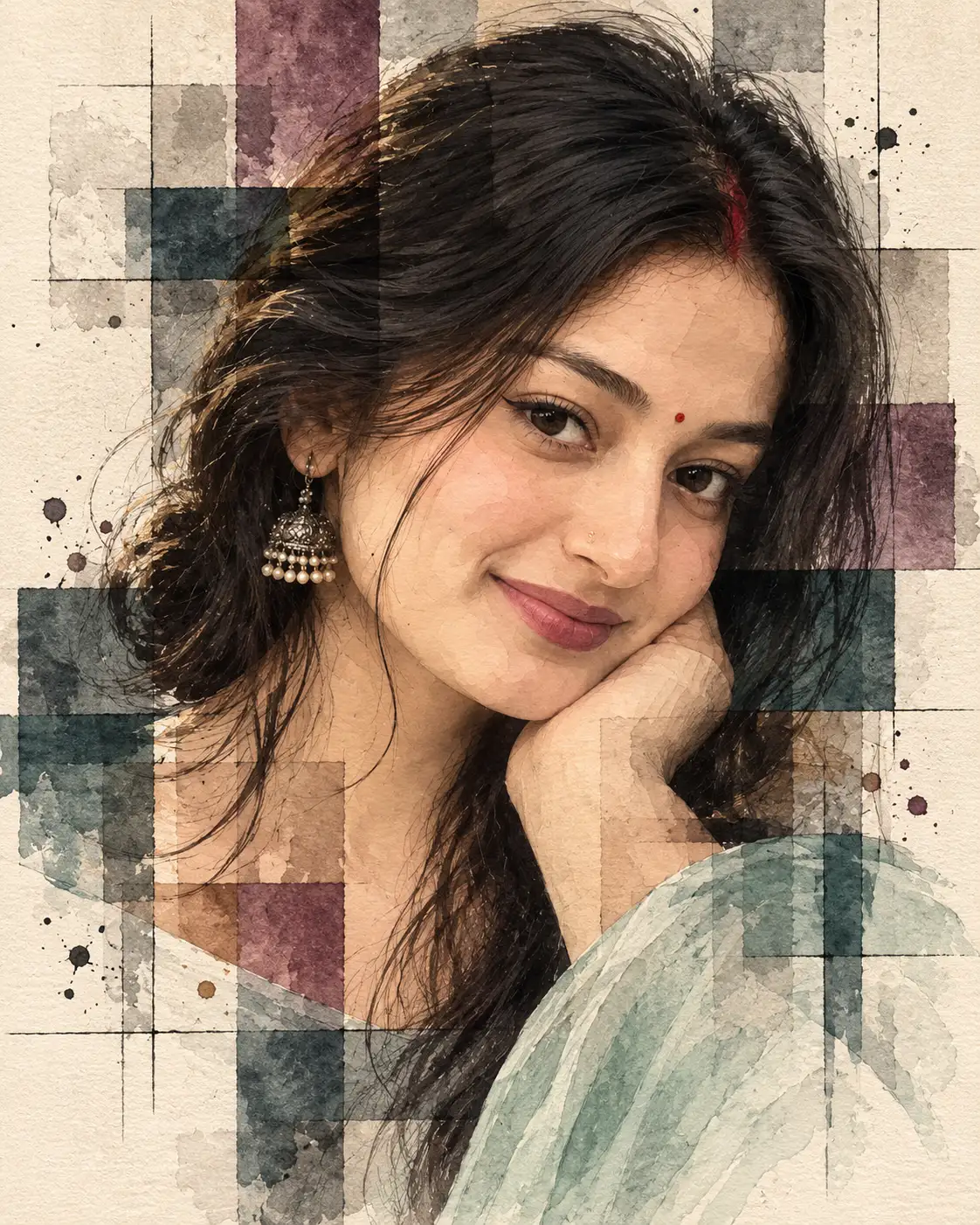
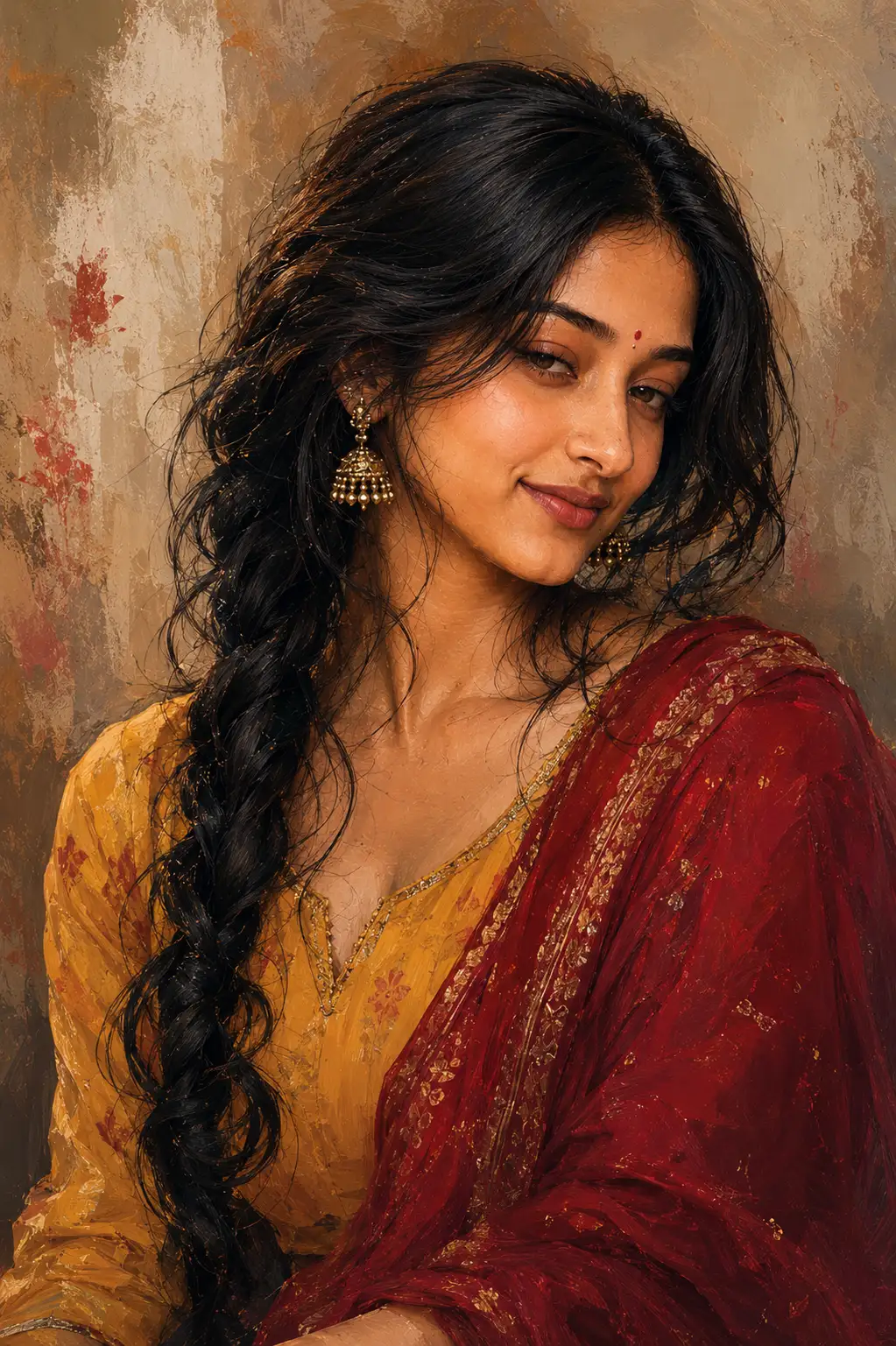
How to use this prompt
“a Dreamy Colored-Pencil Portrait” packages the descriptive detail an image model needs into one prompt. Generate, tweak a few words, and re-roll until it’s exactly right.
- Grab the prompt with the Copy button at the top.
- Paste it into ChatGPT.
- Run it, focusing on look like if you want to steer the result.
- Regenerate to explore a few different takes on the same idea.
Tips & variations
- Change the lighting words (e.g. “golden hour”, “studio”, “moody”) to shift the whole mood.
- Append quality modifiers like “highly detailed, 8k, sharp focus” for a cleaner render.
- Tweak the camera/lens cue (“close-up”, “wide shot”) to control the framing.
Frequently asked questions
It generates a visual built around look like — part of our Image AI Prompts collection. Use it as-is or as a starting point you customise to taste.
Yes — every prompt on the site is free to copy and use. You only need an account with the AI tool you choose to run it.
Edit the descriptive words in the prompt — change look like, the lighting, the colours or the setting. Small wording changes produce big differences in the final image.
Yes — treat it as a starting point. Once you have an output you like, you can feed it back in with a follow-up prompt to refine or extend it further.